Repairy for board-level repair shops
Keep diagnostic readings, microscope photos, and the no-fix terms on the ticket.
Microsoldering work needs a record that holds the readings, the photos, and what the customer agreed to before the board was touched. Repairy keeps all of it on the ticket with the estimate and the payment.
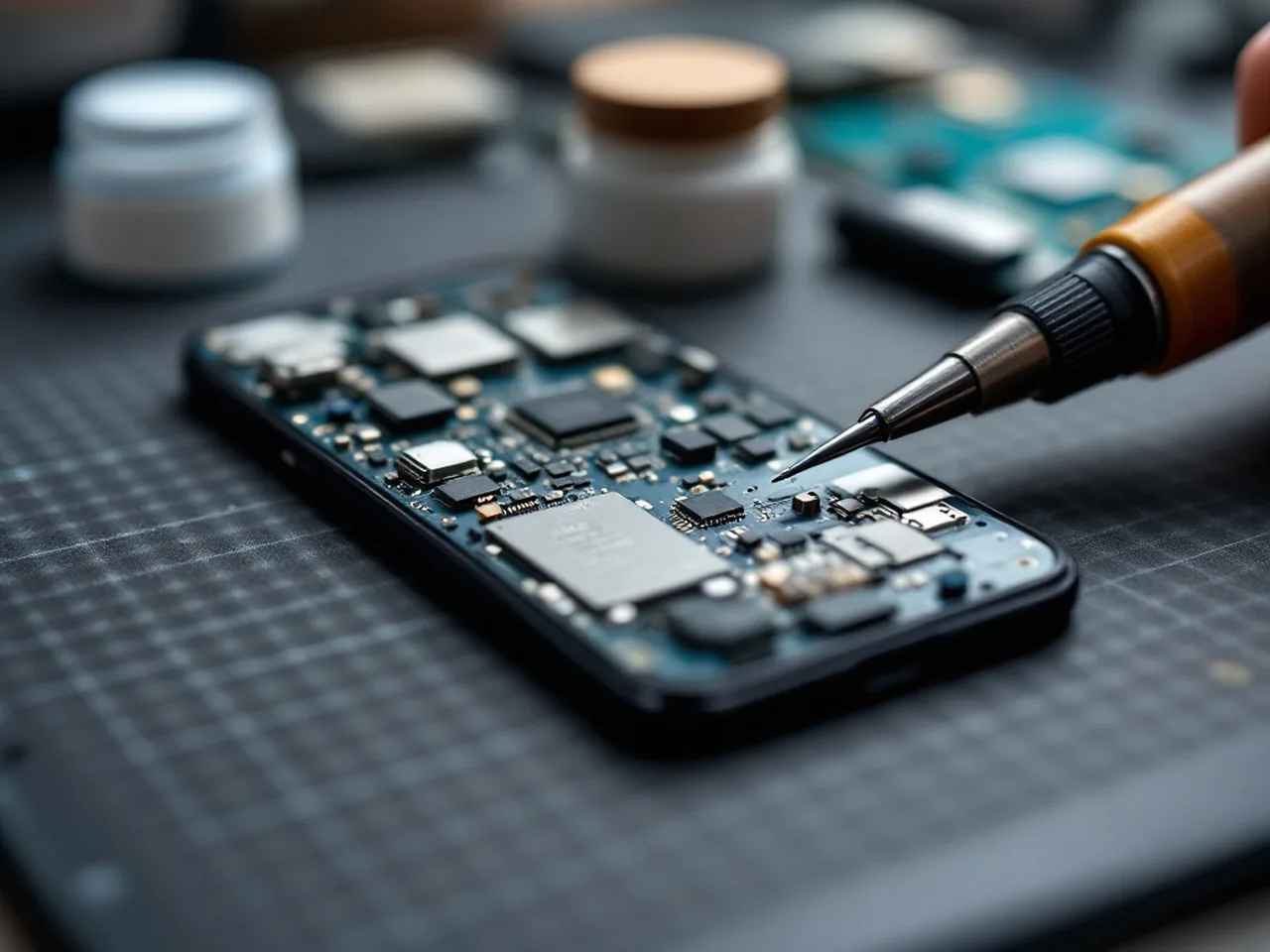
The record
What the ticket records
A board-level repair ticket in Repairy carries the identifiers, acknowledgements, and condition the shop needs before work starts. The customer, the device, and every message stay attached to it.
- Board source
- Customer’s board; donor board from stock if the CPU is dead
- Board revision
- 820-02016, 2020 13-inch, rev A
- Fault and diagnostic readings
- PP3V3_G3H short to ground, 0.4 ohm at C7180
- Microscope photos
- Before and after, attached to the ticket
- Data-recovery intent
- Data recovery first; the customer declines a board swap that loses data
- No-fix fee terms
- Diagnostic labor billed if the board is not recoverable, agreed at intake
Sample record. Fields and values are examples.
Common jobs
How a repair runs
Short to ground on a power rail
The ticket opens in a diagnostic state with the readings recorded as the technician takes them. When the failed component is found, the estimate is drafted with the component as a part line and the rework as labor, and sent by text. Approval moves the board to the bench with the before photo already attached.
Data recovery before a board decision
The data-recovery intent recorded at intake decides the order of work. The estimate for the recovery is approved first, and a second estimate for the board repair or replacement follows once the data is safe. Both estimates and the customer’s decisions stay on one ticket.
Unrecoverable board with a diagnostic fee
If the board cannot be recovered, the ticket records the findings and the photos. The invoice is issued for the diagnostic labor line the customer agreed to at intake, and the decline of further work is on the record with the estimate version the customer saw.
Trade work from another shop
A shop sending boards is a customer record with its own history and balance. Each board is a device with its own ticket, so a batch of five boards is five tickets under one customer, each with its own readings, photos, estimate, and status.
Features
Features board-level repair shops use most
Repair tickets
Custom repair states fit the way your bench works. The timeline shows every handoff, note, and file, so anyone at the counter can say where a repair is and why.
Read moreCustomers and devices
The counter answers from the record instead of from memory: devices with their identifiers, condition photos, accessories, past repairs, and every message, on one customer.
Read moreEstimates and approvals
The technician’s findings turn into a reviewable estimate. The customer approves it by SMS link, revisions stay attached, and approval converts the estimate to the invoice.
Read moreInvoices and payments
Pickup is a payment status check rather than a reconciliation. The approved estimate becomes the invoice, the deposit is already on it, and the balance is what the customer pays.
Read moreReporting
Reports read from the same records the counter works in, so a number is never a separate spreadsheet. Click a figure to see the repairs it counts.
Read more
Common questions
Need another detail? Contact us
Move your next repairthrough Repairy.
Book a demo on your own repairs. The first 10 shops get Repairy free for life, with no credit card.